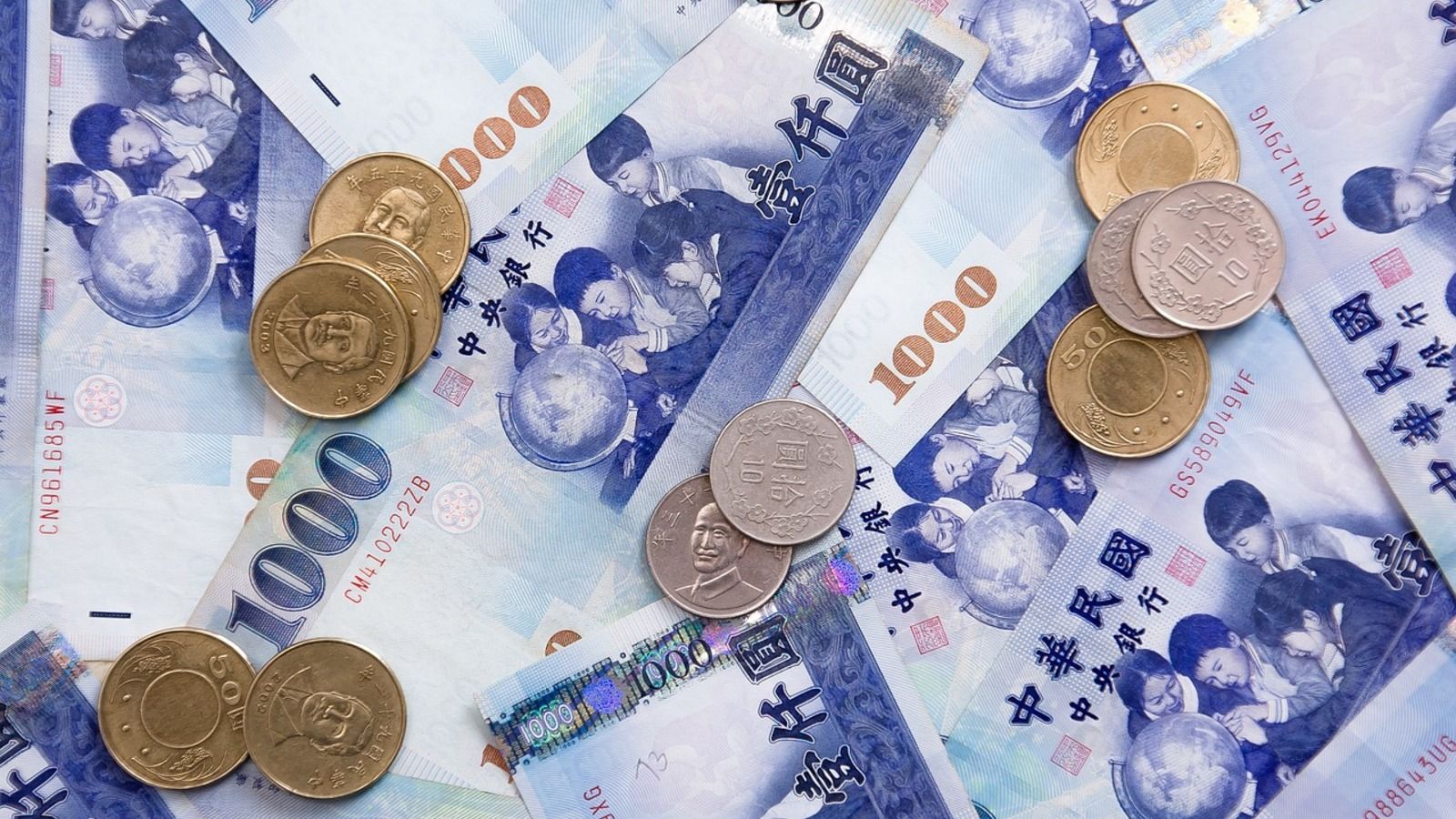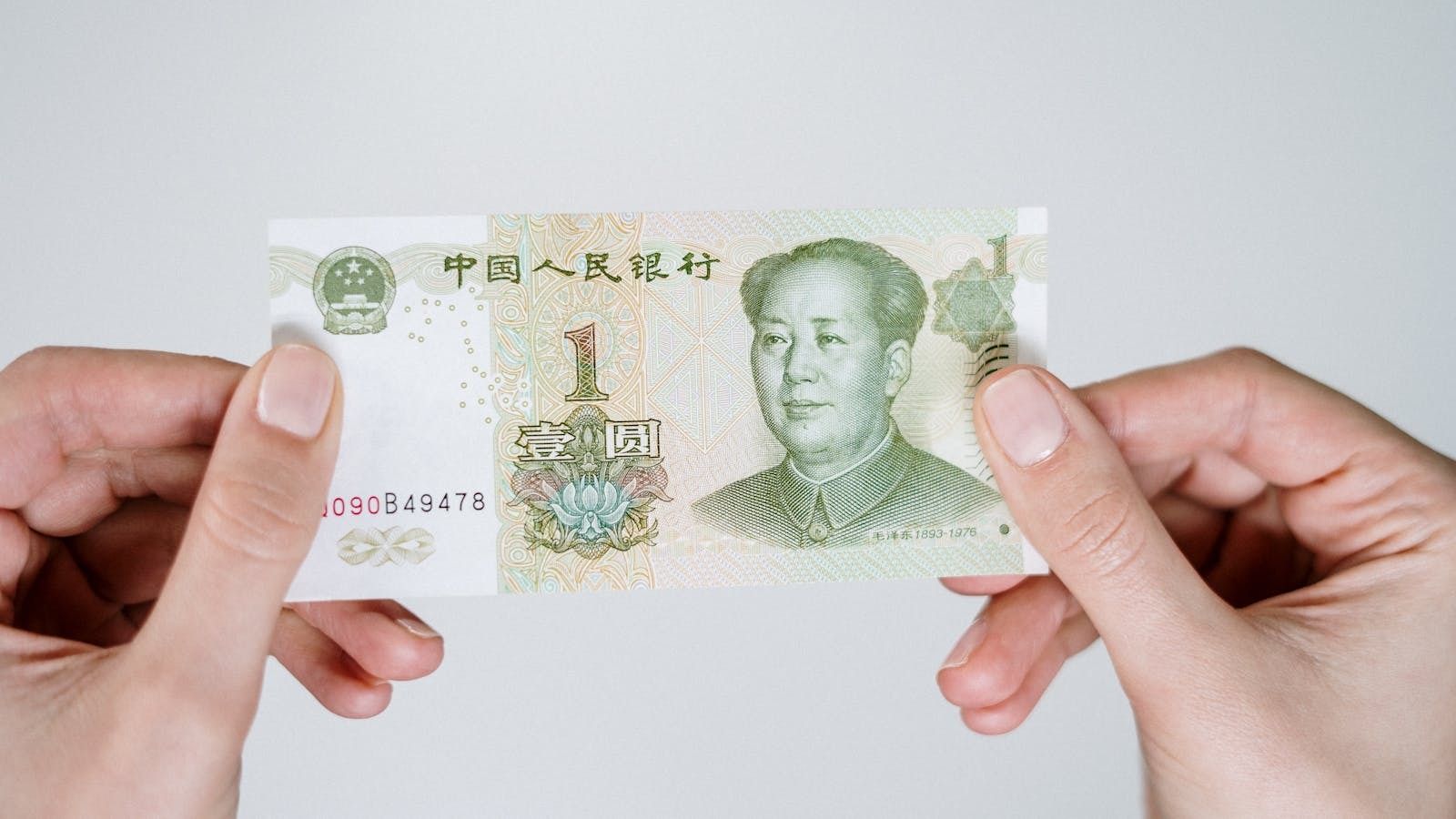
Sending money from Japan to mainland China is one of those corridors where the headline answer is easy and the practical answer depends on the recipient setup.
For China, there are really three receiving patterns:
- the recipient has a bank account
- the recipient does not have a bank account, but does use Alipay or Weixin
- the recipient needs cash pickup
If fuyou or family-support proof matters later in Japan, those three are not equally good.
The First Decision: Bank Account, Wallet, or Cash
Most people start with the app they already know. That is not the cleanest way to make the decision.
Start here instead:
| Recipient setup in China | Usually the better route | Why |
|---|---|---|
| Recipient has a Chinese bank account | Bank transfer | Cleanest long-term records, easiest repeat transfers |
| Recipient has no bank account but actively uses Alipay / Weixin | Wallet-linked route | More practical than forcing a bank setup first |
| Recipient needs physical cash | Cash pickup | Useful for convenience, but weakest on paperwork elegance |
If your real goal is only “get support money there quickly,” wallet or cash can be fine.
If your real goal is “send money to a parent in China and keep the remittance records usable for Japanese tax paperwork later,” bank-account delivery is still usually the cleanest setup.
Why Fuyou Pushes You Toward Bank Delivery
Japan’s National Tax Agency guidance on non-resident dependents is built around relationship documents and remittance-related documents.
So for a China-based parent or relative, the useful question is not just “Did money arrive?” It is also:
- does the record clearly show you as sender
- does it clearly show the specific recipient
- can you show a coherent annual transfer trail if HR or the tax office asks
That is why ordinary bank-account transfers are still the safest default if fuyou matters.
What the Fees Look Like on a Typical Fuyou Transfer
There is no official NTA “standard fuyou amount,” but ¥380,000 is an important threshold in one common case. For non-resident relatives aged 30 to under 70 who do not fall under the study-abroad or disability exceptions, the NTA requires a 380,000 yen remittance document showing that the total paid to that specific person during the year reached ¥380,000 or more.
So this section uses two examples:
- ¥50,000 as a small monthly family-support transfer
- ¥380,000 as a threshold-style annual transfer when the NTA’s 30-69 support exception applies
This is per dependent. It is not a universal minimum for every overseas relative.
| Method | Official fee structure | Practical read for ¥50,000 | Biggest extra cost to watch |
|---|---|---|---|
| Wise | Wise shows the live fee and rate before sending, and publicly presents JPY → CNY | Strong first benchmark for bank-account or wallet delivery | Recipient verification and wallet / bank-card setup |
| PayForex bank account | PayForex publishes ¥800 for CNY bank account from JPY 1–179,999 | Very competitive published fixed fee for a small support transfer | Route details and recipient-side receiving rules |
| PayForex e-wallet / UnionPay | PayForex publishes ¥800 for CNY e-wallet and ¥1,280 for UnionPay card / UnionPay e-wallet from JPY 1–179,999 | Useful if the recipient is more wallet-native than bank-native | Wallet identity setup and payout limits |
| Revolut | Revolut Japan’s supported-currency page does not list CNY | Not a normal Japan-origin China remittance route | Corridor support, not just price |
| Bank wire (PRESTIA example) | PRESTIA publishes ¥3,500 online transfer fee, plus optional ¥1,500 correspondent-bank-charge instruction | Formal but usually expensive for a small monthly transfer | FX spread and intermediary / beneficiary-bank charges |
| Western Union direct | Japan-side pricing is quote-based | Check the live quote before sending | Wallet / bank / cash setup can matter more than headline fee |
| Seven Bank + Western Union | Seven Bank’s newer app table shows ¥1,150 for credit-to-account and ¥1,200 for cash pickup at ¥40,001–¥50,000; older ATM/direct-banking tables can differ | Useful if you already use Seven Bank | ATM timing fees and Seven Bank FX margin |
For a ¥380,000 threshold-style transfer, the fixed-fee routes read differently:
| Method | What changes at ¥380,000 |
|---|---|
| PayForex China bank / e-wallet | PayForex’s public table puts JPY 300,001–599,999 China transfers into a different fee tier depending on receiving type; check the exact bank, e-wallet, or UnionPay route before sending. |
| Revolut | Still not a normal CNY route from Japan, so the ¥380,000 example does not make Revolut a China default. |
| Bank wire / PRESTIA | A ¥3,500 transfer fee is expensive on ¥50,000, but less painful on ¥380,000. It may still be useful when formal bank records matter. |
Best Setup If the Recipient Has a Bank Account in China
If the person in China already has a normal bank account, use that advantage.
Option 1: Wise
Wise has a dedicated public page for sending money from Japan to China, and it currently presents the route as JPY → CNY.
The same page also says recipients can receive through:
- bank account
- or China-side wallet-linked routes such as Alipay and Weixin
That makes Wise a strong first route to check live for this corridor.
The appeal is the usual one:
- transparent fee display
- clear exchange-rate presentation
- bank transfer option
- easy transfer-history export
If the recipient has a Chinese bank account in their own name, this is usually where I would start.
Fee-wise, Wise is still a live-quote product: check the exact fee and received amount before sending. The good part is that the public route is clearly JPY → CNY, and Wise also explains the bank-account and wallet-linked receiving options on the China page.
Option 2: PayForex
PayForex is a real China option, and its public fee table is more detailed than many people expect.
For small China support transfers, PayForex currently publishes:
- ¥800 for CNY bank account from JPY 1–179,999
- ¥800 for CNY e-wallet from JPY 1–179,999
- ¥1,280 for UnionPay card / UnionPay e-wallet
- ¥1,980 for USD bank transfer
That makes PayForex worth comparing if:
- the recipient has a normal China bank account
- the recipient is more comfortable with Alipay / Weixin-style wallet receiving
- you want a fixed published fee instead of only a live quote
Option 3: Western Union direct to bank account
Western Union’s official China receive page says recipients in China can receive money directly into a bank account.
It also lists the details usually required:
- bank account number
- mobile number
- and identity / validation details for first-time bank-account receipt
That means Western Union is not only a cash-pickup network in China. It also has a bank-account route.
This can be useful if:
- the recipient already knows the partner-bank flow
- you want a route that can also fall back to wallet or cash options later
- or you prefer a more traditional remittance network
The fee itself is quote-based on the Japan-side Western Union flow, so check the live price before sending.
Option 4: Traditional bank wire
If the recipient has a normal China bank account and you care most about a formal bank trail, a traditional wire is still a reasonable option.
This usually fits better when:
- the transfer amount is larger
- you do not send often
- or you want more formal bank-issued records than app-based statements
PRESTIA’s official overseas remittance page is a good example of the more documentation-heavy end of the spectrum.
The cost tradeoff is the same as elsewhere: PRESTIA publishes a ¥3,500 online transfer fee, with an optional ¥1,500 correspondent-bank-charge instruction. FX spread and receiving-side bank charges can still apply.
Best Setup If the Recipient Does Not Have a Bank Account
This is where the recommendation changes.
For China, “no bank account” does not automatically mean cash pickup only. There is an important middle route: wallet receiving.
Option 1: Alipay or Weixin
Western Union’s official China receive page says recipients in China can receive money through:
- Weixin
- Alipay
- including wallet-balance or linked-bank-card receiving paths, depending on the setup
Wise’s current Japan-to-China page also says recipients may need to link a bank card to their Alipay or Weixin wallet for the one-time setup.
That gives you an important practical split:
| No-bank-account situation | Better read |
|---|---|
| Recipient uses Alipay / Weixin actively and can complete the identity setup | Wallet route may be cleaner than cash pickup |
| Recipient does not use those wallets confidently | Cash pickup may be simpler |
For older parents, that wallet setup may or may not be realistic. For younger recipients in China, it can be very workable.
PayForex is also relevant here because it publishes explicit China wallet fees: ¥800 for CNY e-wallet and ¥1,280 for UnionPay card / UnionPay e-wallet on transfers up to JPY 179,999.
Option 2: Cash pickup
If the person in China truly has:
- no bank account
- no usable wallet setup
- or wants cash immediately
then Western Union cash pickup is the practical fallback.
The official China receive page says recipients can collect cash at Western Union partner locations by providing:
- the sender’s name
- the amount
- the MTCN
- and valid ID
But there is a China-specific caveat the same page also mentions:
In China, a bank account may be required by the bank for receiving money in cash. Please consult the local bank location for more details.
That means even “cash pickup” is not always as frictionless as people assume. It still depends on the partner bank’s local compliance flow.
So in China, the practical ranking for no-bank-account recipients is often:
- wallet route if they can use it
- cash pickup if they cannot
Seven Bank Is Still a Japan-Side Sending Channel
Seven Bank matters here because many workers in Japan already know it or use it.
Seven Bank’s official international money transfer page says it sends through Western Union and can be used through:
- online banking
- the app
- or Seven Bank ATMs
Its FAQ also says the service is for remitting to individuals, not for commercial purposes.
So for China:
- Seven Bank is not a separate China product
- it is one Japan-side sending route into the Western Union network
That makes it useful when:
- you already have a Seven Bank account
- you want ATM or Seven Bank online convenience
- and the recipient will use the China-side Western Union receiving routes
For fees, Seven Bank’s newer Money Transfer App table shows ¥1,150 for credit-to-account and ¥1,200 for cash pickup at ¥40,001–¥50,000. Older Seven Bank ATM/direct-banking flows can use different fee tables, so check which Seven Bank service you are actually using.
Why Revolut Is Not the First Pick for China
Revolut is strong on many corridors, but it is not where I would start for mainland China.
Revolut Japan’s official outbound supported-currency page does not list CNY as a supported outbound transfer currency.
That means the straightforward mental model of “send JPY and land CNY into China” is not something Revolut Japan currently presents as a normal outbound route.
So for China, the more natural first checks are:
- Wise
- PayForex
- Western Union
- Seven Bank / Western Union
- or a bank wire
Which Route Is Best for Fuyou
If the transfer is meant to support a parent or relative in mainland China and may later support Japanese tax paperwork, this is the practical ranking:
| Route | Fuyou documentation quality | Practical read |
|---|---|---|
| Bank transfer to the dependent’s own China bank account | Best | Cleanest identity trail |
| Formal bank wire / bank-issued remittance record | Strong | Good for conservative HR review |
| PayForex bank or e-wallet route with clear recipient detail | Often usable | Worth checking if you want a fixed published China fee |
| Wise or Western Union wallet-linked route with clear recipient detail | Can be usable | Better if the record clearly names the recipient and transfer details |
| Cash pickup | Usable with care, but weakest on elegance | Keep every record carefully |
The NTA does not rank services by brand. It cares whether the remittance-related documents are clear enough.
But in practice, if your HR team is strict, a normal bank-account trail is usually easier to explain than cash-based family support.
If this is your use case, the full overseas dependent deduction guide is the better companion article, because the transfer itself is only one part of the documentation package.
The Most Common Mistakes on the China Corridor
1. Assuming “no bank account” means “cash only”
For China, wallet receiving can be a very real middle route.
2. Assuming any Alipay / Weixin receipt is automatically ideal for fuyou
It can work, but only if the exported or retained records are strong enough. Convenience alone is not the test.
3. Forgetting the first-time setup burden
Western Union’s China page makes clear that bank-account and wallet receiving may require identity validation, linked-bank-card setup, or first-time registration steps.
4. Treating Revolut like a default China corridor
Because CNY is not listed as a supported outbound transfer currency on Revolut Japan’s current official page, it should not be your assumed first route.
A Simple Recommendation
If the recipient in China has a bank account:
- check Wise first
- compare PayForex bank-account delivery
- compare it with Western Union bank-account delivery if needed
- use a bank wire if you care more about formal records than about the cheapest fee
If the recipient in China does not have a bank account:
- check whether they can realistically use Alipay or Weixin
- compare PayForex e-wallet / UnionPay routes
- if yes, a wallet route may be cleaner than cash
- if not, use Western Union cash pickup
- or Seven Bank + Western Union if you already use Seven Bank
If your real goal is long-term family support with the least future paperwork friction, the best setup is still:
- get the relative onto a bank-account-based receiving route in their own name if possible
That keeps the money movement and the documentation side aligned.
Key sources: NTA English guidance on documents for non-resident dependent claims, Wise on sending money from Japan to China, Revolut Japan on supported outbound transfer currencies, PayForex on remittance fees, PRESTIA on overseas remittance, Western Union China on receiving money, and Seven Bank on its international money transfer service and FAQ. Fees, routes, and supported currencies change, so always confirm the live quote before sending.
Keep Reading