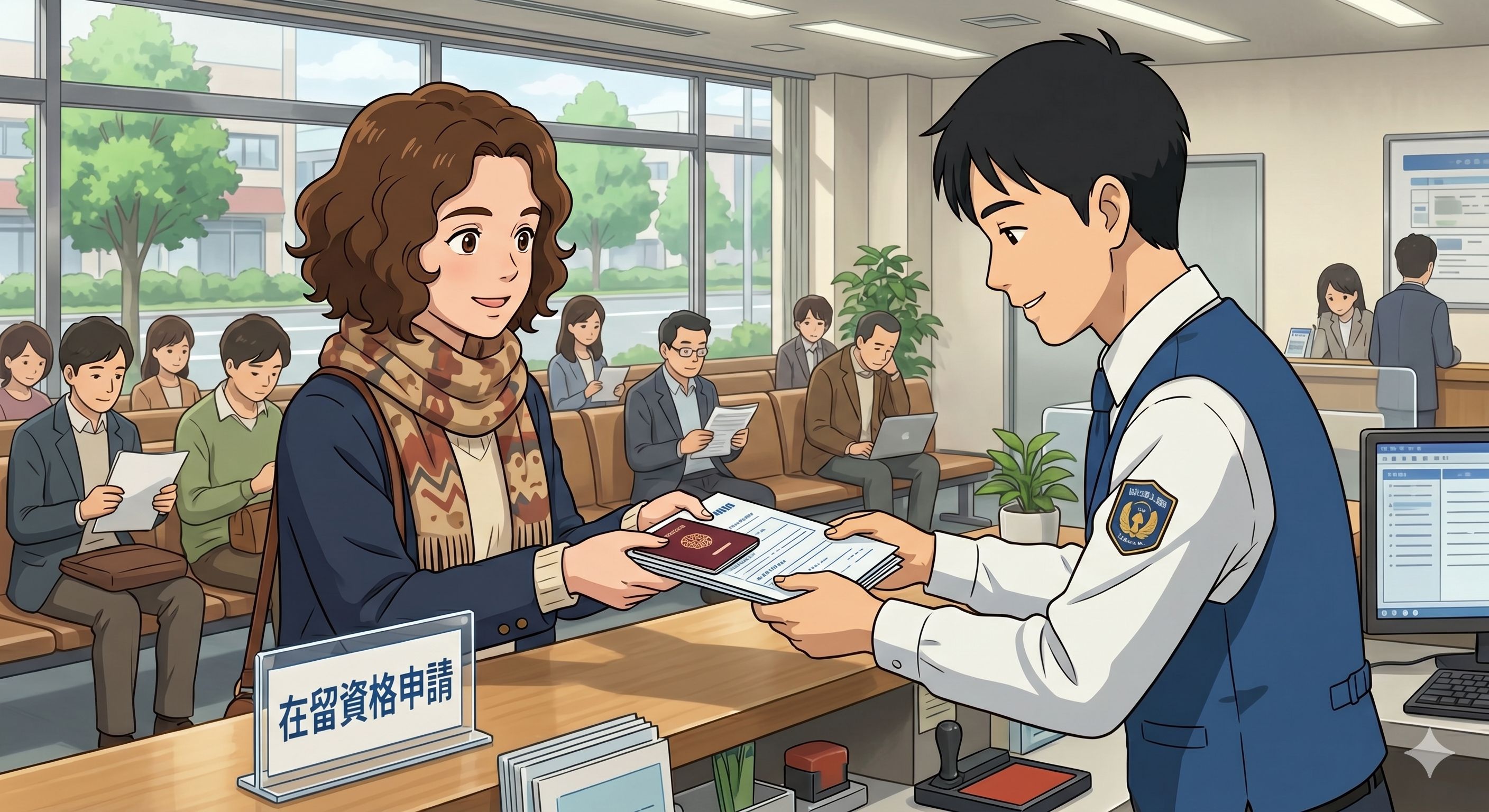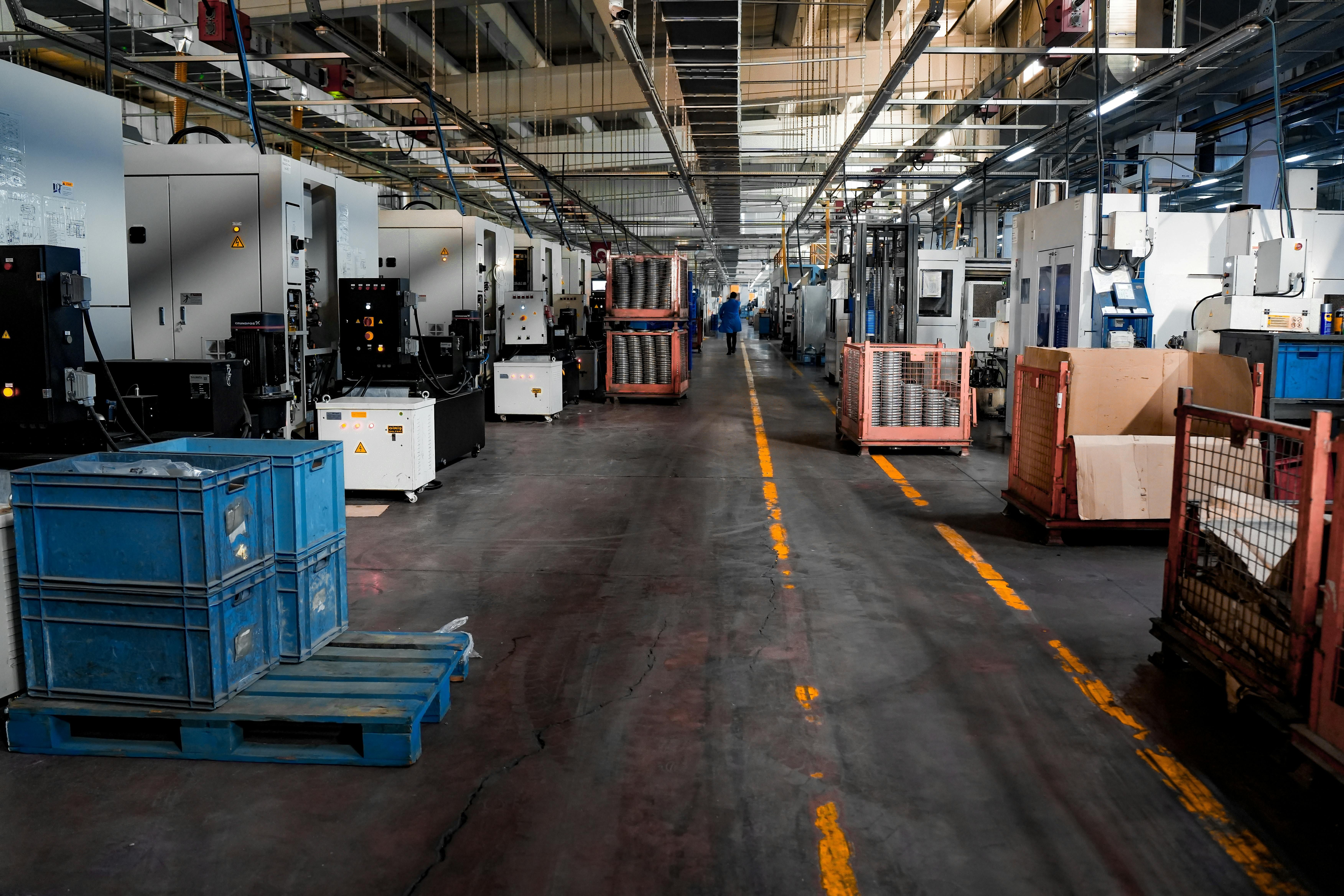
If you want to work in Japan in care, cleaning, factories, hotels, agriculture, transport, food production, or similar hands-on fields, the visa people usually mean is Specified Skilled Worker.
This is also one of the most important Japan work routes for people who do not have a university degree.
But the label hides a lot. Specified Skilled Worker Type 1 and Type 2 are very different. The Japanese level is not identical across fields. And the current field list has a few live caveats that older articles often miss.
So let’s make it practical.
The Short Version
| Question | Short answer |
|---|---|
| Is this a real work status, not a training status? | Yes. Japan’s official SSW site says Technical Intern Training is for acquiring skills, while Specified Skilled Worker is a status of residence for working. |
| Do you need a degree? | Usually no. The main route is field-specific skills + Japanese ability + a job offer. |
| Is Type 1 the same as Type 2? | No. Type 1 is the common entry route. Type 2 is the more advanced long-term route. |
| Can Type 1 workers bring family? | Generally no. |
| Can Type 2 workers bring family? | Yes, that becomes possible under the Type 2 track. |
| Do all fields use JLPT N4 / JFT-Basic? | No. Many do, but some roles require more. |
What This Status Actually Is
Japan’s official Specified Skilled Worker site defines this as a status of residence for working, not for training.
That distinction matters because many foreign workers first hear about Japan through:
- Engineer / Specialist in Humanities / International Services for degree-based white-collar roles
- Technical Intern Training for skills-acquisition and training-based routes
- Specified Skilled Worker for labor-shortage fields where Japan wants people who can contribute more quickly on the job
If your target role is software, product, design, marketing, or another professional-office role, our Engineer visa guide or Specialist in Humanities / International Services guide is probably the better starting point.
If you are specifically comparing this with a non-degree professional route, our guide to Japan work visas without a degree is the clearer companion piece.
If your target role is care, accommodation, construction, cleaning, manufacturing, farming, or transport, this is the route to understand first.
Type 1 vs Type 2 Is the First Big Split
Most people start by looking at Specified Skilled Worker Type 1.
| Item | Type 1 | Type 2 |
|---|---|---|
| Stay period on each grant | 1 year, 6 months, or 4 months | 3 years, 1 year, or 6 months |
| Total maximum stay | Up to 5 years in total | No fixed upper limit |
| Family | Generally cannot bring family | Family becomes possible |
| Skill level | Basic practical skill for the field | More advanced field skill |
| Worker support | Mandatory structured support from the company or a registered support organization | Not built around the same Type 1 support framework |
| Common image | First work step in Japan | Long-term upgrade path inside eligible fields |
The official SSW status page says Type 1 workers can stay in Japan for a total of five years and cannot bring family, while Type 2 has no upper limit on length of stay and allows family. The current MOFA visa page also shows the actual visa issuance periods: Type 1 is granted in 1-year, 6-month, or 4-month blocks, and Type 2 in 3-year, 1-year, or 6-month blocks.
That is a useful beginner distinction: Type 1 is not “five years at once.” It is a renewable track with a five-year total cap.
Who This Visa Is Really For
This is the work-status path that tends to fit people who are:
- aiming for labor-shortage sectors rather than office-professional roles
- open to field-specific skill tests
- able to work in Japanese at a practical daily level
- willing to enter through a more structured employer-support setup
It also matters for three groups in particular:
| Reader situation | Why SSW may matter |
|---|---|
| No degree, but wants to work in Japan | SSW is one of the clearest non-degree work routes |
| Student in Japan who wants to stay after graduation | Some students may switch into SSW if they match the field, tests, and employer route |
| Technical Intern Training worker planning the next step | SSW is a common progression path, sometimes with major test exemptions |
The official SSW application guide says that for Type 1, applicants normally need both a Japanese language test and a skills proficiency test. It also says people who have satisfactorily completed Technical Intern Training (ii) generally do not need those same tests, though field changes can alter what is still required.
The Test Rule Is Simple at First, Then Field-Specific
The broad rule is easy:
- for Type 1, you usually need a Japanese test and a skills test
- for Type 2, you need the Type 2 skills route for the relevant field, and some fields may require work experience to sit the test
The official SSW test page is the source to trust for live schedules and links to test providers.
Japanese language: often N4 or JFT-Basic, but not always
For many Type 1 fields, the standard language route is:
- Japan Foundation Test for Basic Japanese (JFT-Basic), or
- Japanese-Language Proficiency Test (JLPT) N4 or higher
But Japan’s official Steps to Working in Japan page makes clear that this is not universal.
It specifically notes that:
- taxi and bus roles in the automobile transportation business field require JLPT N3 or higher
- railway train operation works also require JLPT N3 or higher
- nursing care requires not only general Japanese ability but also a care-specific Japanese test
That is one of the easiest places for old summaries to mislead people. “SSW means N4” is too broad. In some fields, that is true. In some fields, it is already too low.
Skill tests are field-by-field
The skills test is not one generic SSW exam. It is tied to the industry you want to enter.
That means:
- accommodation has its own field exam
- construction has its own field exam
- food manufacturing has its own field exam
- agriculture has its own field exam
- automobile transportation has truck / taxi / bus distinctions
So the practical order is: pick the field first, then check the tests for that field.
The Current Type 1 Field List Is Slightly More Nuanced Than “16 Fields”
Japan’s official SSW field list currently says Type 1 allows work in 16 fields:
| Type 1 field | Plain-English image |
|---|---|
| Nursing care | Care work in facilities and related support roles |
| Building cleaning management | Building interior cleaning work |
| Construction | On-site construction work |
| Industrial product manufacturing | Factory and manufacturing work |
| Shipbuilding and ship machinery | Ship-related production work |
| Automobile repair and maintenance | Car inspection and repair work |
| Aviation | Ground handling and aircraft-related work |
| Accommodation | Hotel front, guest support, operations |
| Automobile transportation business | Truck, taxi, and bus work |
| Railway | Rail operations and maintenance work |
| Agriculture | Farming and livestock work |
| Fishery and aquaculture | Fishing and aquaculture work |
| Food and beverage manufacturing | Food production and processing |
| Food service | Restaurant floor / kitchen / store work |
| Forestry | Forestry and planting work |
| Wood industry | Lumber and wood-processing work |
But that same official page also now shows three additional Type 1 fields:
- resource recycling
- linen services
- logistics warehouse
The page says the English details for those are under construction.
That means the cleanest beginner summary today is: the official English site still presents 16 established Type 1 fields, while also signaling additional expansion areas that are not yet fully documented there.
Type 2 Is Narrower, but Much Stronger if You Qualify
The official SSW status page currently lists 11 Type 2 fields:
| Type 2 field | Career image |
|---|---|
| Building cleaning management | Team lead / management-side cleaning operations |
| Construction | Higher-skill site responsibility |
| Industrial product manufacturing | Senior production / management-side factory work |
| Shipbuilding and ship machinery | Advanced shipbuilding-side responsibility |
| Automobile repair and maintenance | Senior repair / management-side work |
| Aviation | Advanced airport or aircraft operations |
| Accommodation | Higher-responsibility hotel operations |
| Agriculture | Farm operations leadership path |
| Fishery and aquaculture | Higher-responsibility fishery operations |
| Food and beverage manufacturing | Senior food-production operations |
| Food service | Restaurant operations management path |
The basic logic is straightforward: Type 1 gets you in; Type 2 is the route that starts to look like durable long-term residence.
Type 1 Employer Support Is a Real Part of the System
This is one of the biggest structural differences between SSW Type 1 and many other Japan work routes.
Japan’s official Getting Company Support page says Type 1 workers must receive 10 forms of support from the company. If the company cannot provide them directly, a registered support organization can provide them on the company’s behalf.
In practice, that includes help with things like:
| Support area | What it looks like in real life |
|---|---|
| Before-arrival explanation | Contract and job explanation before the status application |
| Arrival / departure logistics | Airport pickup on arrival, airport accompaniment on return |
| Housing and setup | Help with housing, utilities, bank account, and phone contracts |
| Life orientation | Rules, etiquette, transport, disaster basics |
| Government procedures | Accompaniment to city hall and other procedures |
| Japanese study | Help finding Japanese-learning options |
| Ongoing consultation | A place to raise work or life problems |
| Community support | Help connecting with local life and people |
| Job transition support | Help finding the next job in layoff situations |
| Regular meetings | Periodic check-ins, at least every three months |
That support obligation is one reason this visa can work well for first-time arrivals who need more structure than a normal professional-office visa path gives them.
The Application Flow Depends on Where You Are Starting
The official Steps to Working in Japan page and current MOFA visa page together make the flow fairly clear.
| Situation | Usual path |
|---|---|
| Applying from outside Japan | Pass the required tests, sign with a company, get a Certificate of Eligibility (COE), then apply for the visa |
| International student already in Japan | Pass the required tests, sign with a company, then apply for change of status |
| Technical Intern Training (ii) moving into related SSW work | Often a shorter route, with major test exemptions depending on the case |
The MOFA page is especially useful on one beginner point: if you are applying from overseas, COE is required for Specified Skilled Worker visa applications.
Common Questions
Do I need a university degree?
Usually no. This route is built around field skill + Japanese ability + employer sponsorship, not around the degree logic used by many white-collar work statuses.
Can a student in Japan switch into SSW?
Yes, potentially. Japan’s official SSW application guide says that if you are in Japan on another status such as a student status, you need to meet the SSW testing requirements and then file the residence-status application. If you are in that situation, our student-to-work guide is the better companion article.
Can Technical Intern Training workers move into SSW?
Yes. This is one of the main transition routes the official SSW site describes. The important detail is that the exact exemption picture depends on whether the new field is related to the training field.
Can you change jobs on SSW?
Yes, but not as a casual free reset. Japan’s official SSW FAQ says you can change jobs under SSW, including quitting one company and joining another in the same field. If you want to move into a different field, the FAQ says you need the skill test for the new field.
Is this a direct permanent-residence path?
Not in the simple Type 1 sense. Type 1 is capped at five total years, so by itself it is not the clean long-horizon residence track people usually mean when they talk about settling permanently. Type 2 is much closer to a long-term life path because it has no total stay cap and opens the family side.
What I Would Actually Do First
If you are seriously considering this route, the first useful sequence is:
- Pick one field, not “Japan jobs” in general.
- Check the official field page and current test page for that field.
- Confirm whether the field uses JFT-Basic / JLPT N4, or whether it is one of the stricter fields.
- Check whether you are coming in as a fresh applicant, a student in Japan, or a Technical Intern Training graduate, because that changes the process a lot.
- Treat the employer and support setup as part of the decision, not as an afterthought.
That last point matters more than beginners often expect. With SSW, the visa is not only about whether you can pass a test. It is also about whether the company side is actually ready to receive you under the SSW system.
If your target role is clearly hands-on and field-based, SSW can be one of the most realistic ways into Japan. But the strongest first move is not “apply everywhere.” It is to choose the field, understand the current rules for that field, and build from there.
Keep Reading